
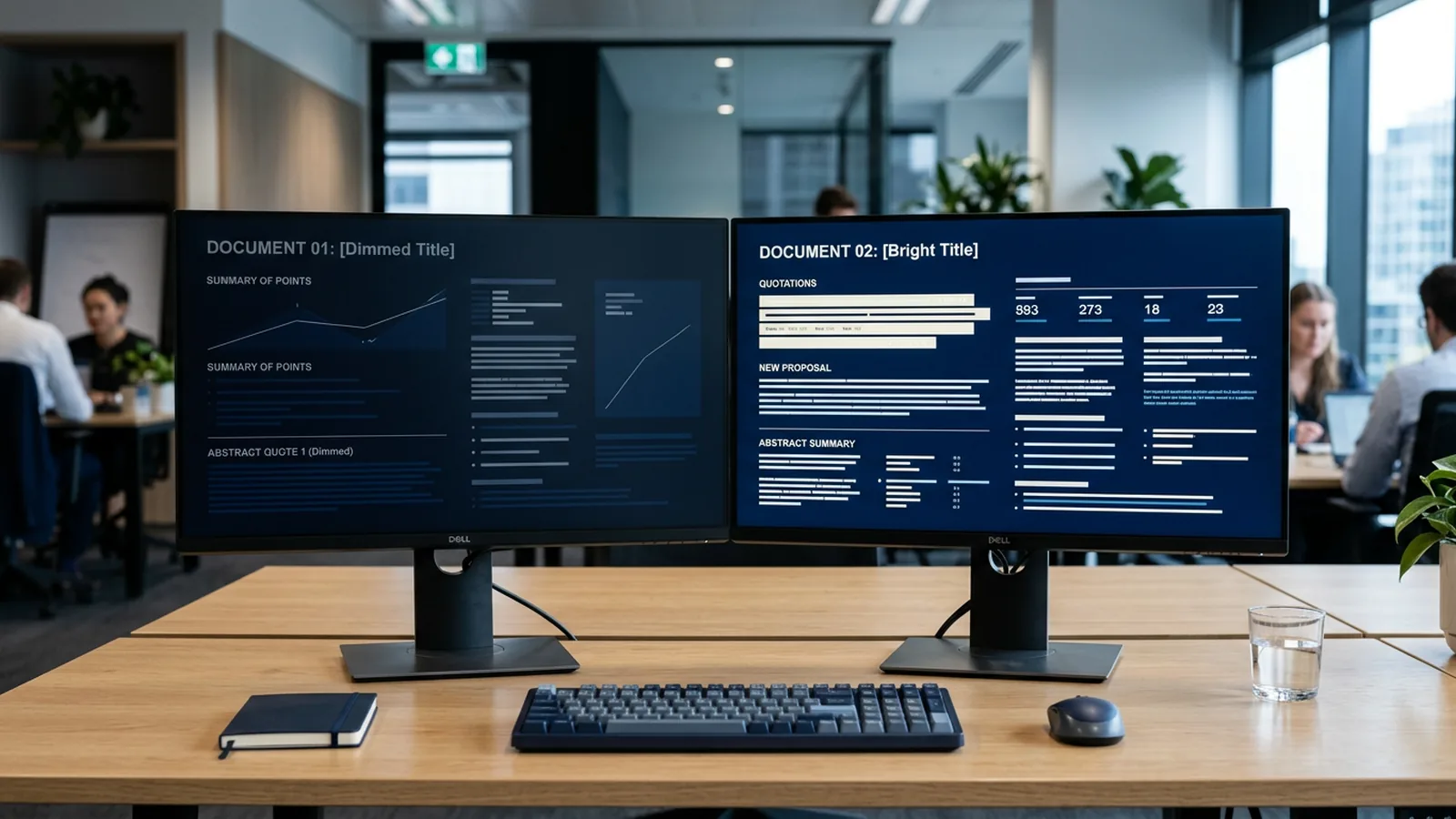
A CPQ migration avoids freezing sales by running both systems in parallel for one quoting cycle: new quotes are built in the new system while open quotes finish in the old one, with historical quotes replayed through the new pricing rules to prove parity before the switch.
Key takeaways
- Never migrate open quotes mid-flight — let them finish where they started.
- Replay historical quotes to prove pricing parity before cutover.
- Cut the catalogue over by product family, not all at once.
Parallel running
For one full quoting cycle, both systems are live. Open quotes finish where they started; everything new starts in the new system. Sales never has to re-key a live deal.
Quote replay
Take the last two hundred quotes, run them through the new price rules, and diff the output line by line. Every discrepancy is either a bug or a rule nobody documented — both worth finding before go-live.
Phased catalogue cutover
Move one product family at a time, starting with the simplest. Bundles and dependent options last, because they are where configuration rules hide.
Frequently asked questions
How long should parallel running last?
One complete quoting cycle for your business — usually a month, sometimes a quarter for long-cycle sales.
What about quotes already approved?
They stay in the legacy system through to contract. Only the reporting view needs to span both.
Want this applied to your org?
CodeSierra delivers fixed-scope Salesforce implementation, development and managed services — scope, timeline and price agreed in writing before build starts. Ready to get started? Contact us for a scoped quote.